Invisalign vs Braces: Which Is Right for You?
Clear aligners have transformed orthodontic treatment for adults and teenagers. But are they always the best option? Our clinicians break down the key differences.

Dr. William Ho
Associate Dentist & Invisalign Provider, Experteeth
Crooked or crowded teeth, gaps and bite issues are among the most common concerns our patients raise at consultations. Fortunately, modern orthodontic solutions are more comfortable, discreet and efficient than ever. The two most popular options — Invisalign clear aligners and traditional fixed braces — each have distinct advantages depending on the case.
How Invisalign Works
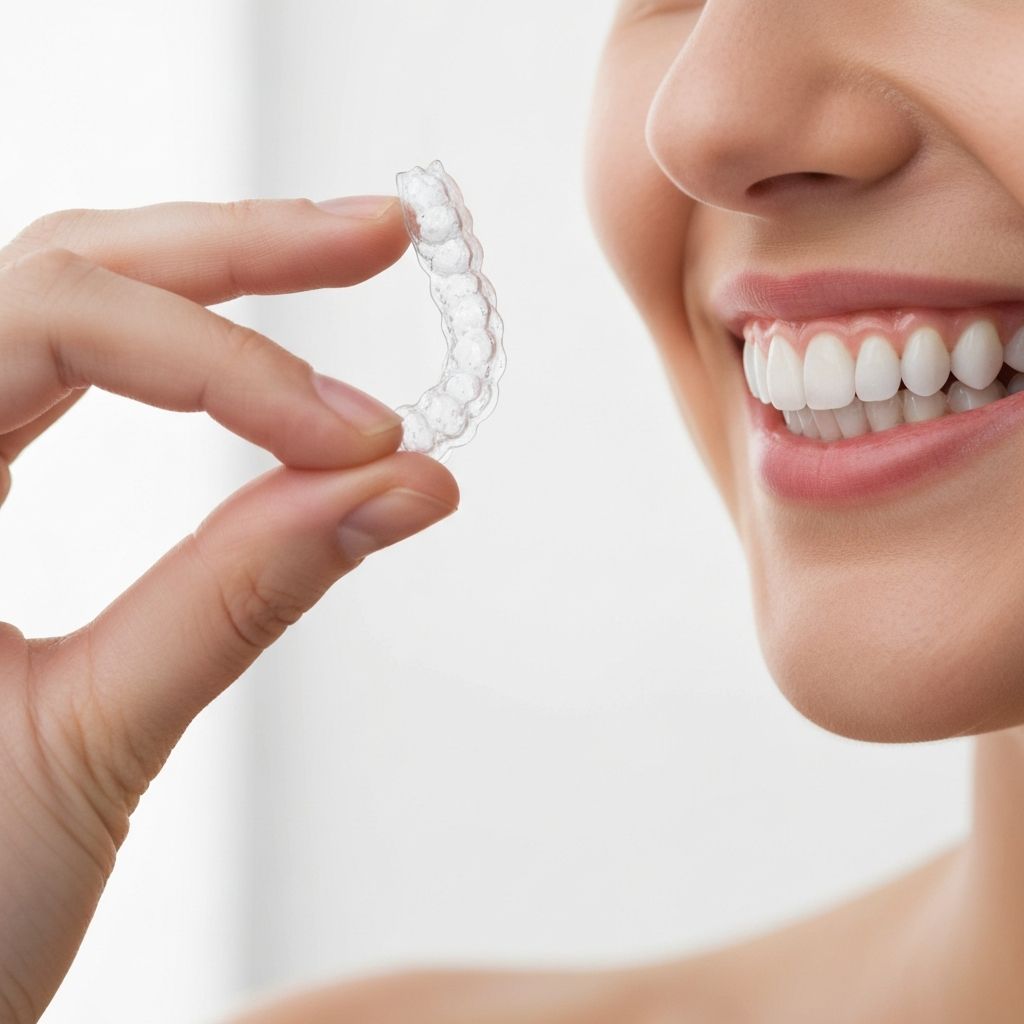
Invisalign uses a series of custom-fabricated, virtually invisible removable aligners to gradually shift teeth into the desired position. Each set of aligners is worn for approximately one to two weeks before progressing to the next. Treatment is monitored with periodic check-up appointments, and the aligners can be removed for eating, drinking and oral hygiene.
Advantages of Invisalign
- Near-invisible — virtually undetectable when worn
- Removable — no restrictions on food or drink
- Easier to maintain oral hygiene compared to fixed braces
- Generally more comfortable — no wires or brackets
- Fewer emergency appointments for broken wires or brackets
- Suitable for mild to moderate crowding, spacing and bite issues
When Traditional Braces May Be More Appropriate
For more complex orthodontic cases — including severe crowding, significant bite discrepancies or cases requiring precise tooth rotation — traditional fixed braces or a combination approach may deliver a superior result. Fixed braces work continuously without relying on patient compliance, which can be an advantage for younger patients or those who struggle to commit to wearing aligners for the recommended 22 hours per day.
The Consultation Process
Your Invisalign consultation at Experteeth includes a detailed clinical assessment, intraoral scan and a digital ClinCheck simulation — allowing you to preview your projected tooth movement before treatment begins. We will recommend the approach best suited to your clinical needs, lifestyle and budget.